Why Does This Candle Cost $48? Breaking Down the Real Price of Niche Products
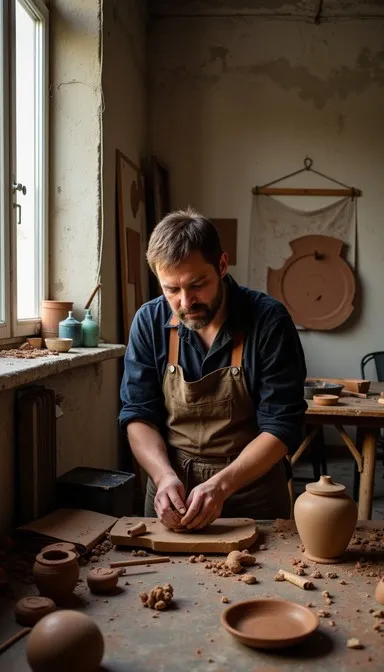
Let's set the scene. You're scrolling through your favorite corner of the internet — maybe it's a craft fair Instagram account, maybe it's a small-batch hot sauce newsletter, maybe it's a ceramics maker you found through a friend of a friend. You find something you genuinely love. You click through to the shop. And then you see the price.
Forty-eight dollars for a candle. Sixty-two dollars for a bottle of hot sauce. A hundred and twenty dollars for a ceramic mug that, honestly, looks kind of wobbly on purpose.
Your first instinct might be to close the tab. Your second instinct — if you're the kind of person who ends up on NicheHaven — is probably to wonder: what am I actually paying for here?
The answer is more complicated than most people realize. And whether that premium is genuinely justified or just very clever marketing depends a lot on who's making the thing and why.
The Cold Math of Small-Batch Production
Here's the part that surprises most people when they first hear it: making less of something almost always costs more per unit. Way more.
When a mass-market candle brand produces 50,000 units at a time, their cost per jar, per pound of fragrance oil, per label, per box — all of it drops dramatically because of bulk purchasing power. They've also paid off their equipment over millions of units. Their supply chain is optimized. Their team is specialized.
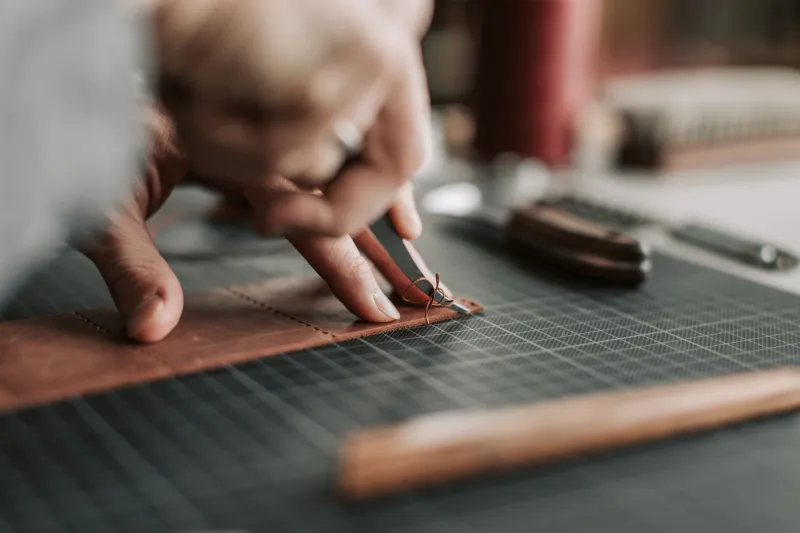
An indie maker producing 200 candles per month doesn't have any of those advantages. They're buying fragrance oil by the pound from a specialty supplier. They're hand-pouring every single jar. They're probably doing their own packaging, their own shipping, their own customer service, and their own bookkeeping — all before they've paid themselves a single dollar.
"People see the price and they think I'm getting rich," says one small-batch candle maker based in Portland who sells primarily through craft markets and her own website. "But when I actually broke down my costs for the first time, I realized I was making about $6 an hour. The price I charge isn't a flex — it's survival math."
That's a story you'll hear over and over again from indie makers across categories. The premium isn't always profit. A lot of the time, it's just covering costs that large-scale producers have engineered out of their process entirely.
What You're Actually Paying For (And What You're Not)
But costs alone don't explain the full picture. Because some niche products are priced above what pure economics would require — and buyers keep paying anyway.
Consumer psychology researchers have spent a fair amount of time on this. The short version: people aren't just buying the object. They're buying a story, a set of values, and — maybe most importantly — a sense of belonging to a group that knows something most people don't.
"There's a concept called 'costly signaling,'" explains one consumer behavior researcher who studies purchasing decisions in enthusiast communities. "When something is expensive and hard to find, owning it communicates something about who you are. It says you have taste, you have access, you did the research. That's genuinely valuable to people, and makers — consciously or not — are pricing that in."
This is why a $120 mug from a ceramicist you discovered through a pottery forum hits differently than a $12 mug from a big-box store, even if both hold your coffee just fine. One is a functional object. The other is a small piece of someone's practice, something finite, something that marks you as part of a community that cares about craft.
Whether that's worth $108 to you is a personal call. But it's not irrational to value it.
The Limited Run Effect: Scarcity as a Feature, Not a Bug
Another piece of the pricing puzzle is intentional scarcity. A lot of niche makers don't want to scale up. Limited runs aren't just a production constraint — they're a deliberate design choice that preserves the thing that made the product special in the first place.
Think about the indie hot sauce market, which has exploded over the last few years. Some of the most sought-after bottles come from makers who grow their own peppers, batch in small quantities, and sell out within hours of a new release. They could theoretically license their recipe to a co-packer, increase volume by 1,000%, and drop the price significantly.
Most of them won't. Because the moment they do, they're no longer a niche product — they're just another hot sauce on a shelf, competing against brands with marketing budgets they'll never match.
"The scarcity is the product," as one collector in the artisan condiment space put it bluntly. "If everyone could get it, I wouldn't want it as much. That sounds weird to say out loud, but it's true."
It's a feedback loop that benefits both makers and buyers — as long as everyone's honest about what's actually happening.
Where the Premium Gets Murky
Not every niche price tag is earned, and it's worth saying that clearly.
As "artisanal" and "small-batch" have become marketing buzzwords, some brands have learned to wear the aesthetic of indie craft without actually delivering the substance. Slap a hand-drawn label on a product made at scale, write some copy about "slow process" and "intentional design," and suddenly you can charge niche prices for a mass-market product.
Savvy buyers in tight-knit communities tend to sniff this out fast — word travels quickly when someone's claiming handmade and delivering otherwise. But newer buyers, or people just dipping their toes into a niche, can absolutely get burned.
The practical advice from longtime enthusiasts in almost every category is the same: learn the community before you spend the money. Whether it's specialty coffee, small-press books, artisan leather goods, or indie skincare — the people who've been in the space know which makers are the real deal and which ones are just vibing on the aesthetic.
So Is It Worth It?
Here's the honest answer: sometimes yes, sometimes no, and only you can decide.
If you're paying a premium for something made by a person who genuinely cares about their craft, in quantities that actually reflect the labor involved, from a community you're invested in — that price often makes complete sense. You're not just buying a thing. You're participating in an economy that values different things than the mainstream does.
If you're paying a premium because a brand has successfully cosplayed as a niche maker while operating like a mid-size corporation — that's on them for the marketing and on you for not digging deeper.
The niche tax, as some buyers have started calling it, is real. But so is the niche value — if you know where to look and who to trust. That's kind of the whole point of having a community in the first place.