Paid to Have Opinions: The Quiet Rise of America's Taste Brokers
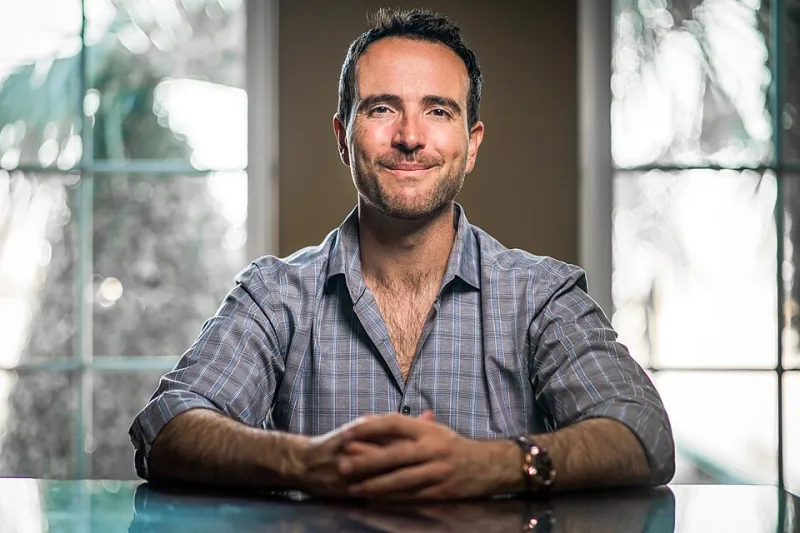
Photo: Juliastefanpaulgeorgi, CC BY-SA 4.0, via Wikimedia Commons
Let's be honest about something: most product recommendation lists are garbage. They're SEO sludge, written by people who've never touched the products, optimized to rank for "best [thing] 2025." You know this. Everybody knows this.
Which is exactly why a strange new profession is thriving: the taste broker. These are newsletter writers, micro-influencers, and niche shop owners whose entire business model is one thing — having genuinely good taste in a specific lane, and being trusted for it.
Not an influencer, exactly. Influencers sell you a lifestyle. Curators sell you a filter.
The Newsletter Is the New Storefront
Look at the economics of a well-run niche newsletter. Someone with deep knowledge of, say, Japanese stationery, natural wine, or vintage workwear sends a weekly email to 12,000 people. Each issue highlights a handful of items. Readers click, buy, and the curator collects affiliate commissions or runs paid sponsorships.
Done right, this is a six-figure business built on nothing but discernment and consistency. No warehouse. No inventory. Just taste, reliably delivered.
The best ones all share a tell: they recommend things they clearly love even when there's no commission attached. Their enthusiasm is legible. You can smell the difference between "I own this and it changed my life" and "this link pays me."
How Trust Actually Gets Built (and Lost)
Every curator we looked at follows roughly the same unwritten playbook:
- Pick a lane and stay in it. The moment your stationery newsletter starts hawking meal-kit subscriptions, subscribers bail. Specificity is the product.
- Say no publicly. The most trusted curators review things they dislike. A recommendation means nothing if everything gets recommended.
- Show your receipts. Photos of the actual items in their actual life. Worn-in denim. Stained cookbooks. The imperfection is the proof.
- Cap the ads. One sponsorship per issue, clearly labeled, from brands the curator would buy from anyway. Two sponsorships and you're a catalog.
The failure mode is always the same: scale. A curator who recommends one great thing a week has leverage. A curator who recommends forty things a day is just QVC with a personality.
The Gatekeeper Paradox
Here's the tension the whole curator economy lives inside: curation is valuable because it's selective, but selectivity doesn't scale. The moment a curator grows big enough to matter to brands, they get courted, comped, and quietly compromised. Readers can feel it happen — usually before the curator admits it to themselves.
Some are solving this structurally. Paid subscriptions instead of affiliate links, so the readers are the customers, not the brands. Others publish their full sponsorship terms publicly, a kind of conflict-of-interest transparency report. A few deliberately stay small — capping their audience, refusing brand deals — treating curation as a craft rather than a growth business.
There's a real question about whether this role survives going mainstream. When "curator" becomes a job title anyone can claim, the word inflates until it means nothing. The people who'll last are the ones whose taste would be worth following even if nobody paid them — because for most of them, that's exactly how it started.
Why This Matters for the Rest of Us
For shoppers drowning in infinite options, the taste broker is a life raft. For niche brands, a single mention from the right curator can sell out a product line overnight — no ad spend, no algorithm gaming.
But the deeper shift is cultural. We've moved from trusting institutions to trusting individuals. Not "the best headphones according to a testing lab" but "the headphones Marcus can't shut up about." It's word of mouth with a mailing list.
The next time a recommendation actually lands — when you buy the thing and it's right — notice where that recommendation came from. There's a decent chance someone with great taste is getting paid, modestly and honestly, to have opinions you'd have eventually arrived at yourself. Just slower.