Small Crowd, Big Business: How Niche Creators Are Winning by Going Deeper Instead of Broader

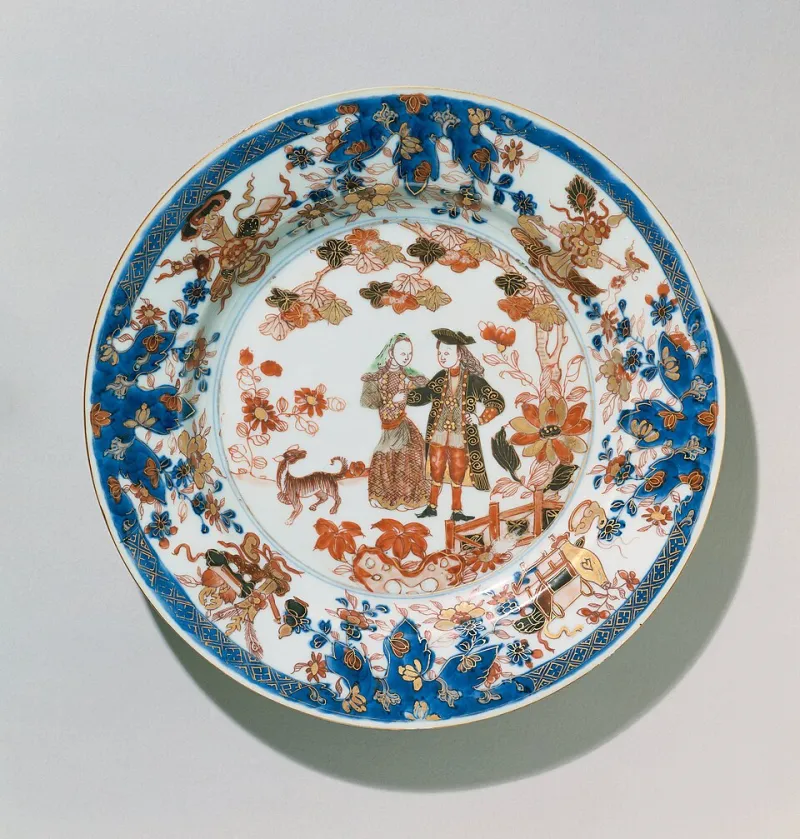
Photo: Martin Ridley, Public domain, via Wikimedia Commons
Somewhere in a studio apartment in Portland, a graphic novelist is shipping hand-numbered prints to 847 Patreon subscribers who treat her monthly drops like events. In Nashville, a producer making lo-fi beats for tabletop RPG sessions just crossed $6,000 a month on Bandcamp, mostly from a fanbase that would fit comfortably in a mid-size coffee shop. And in a suburb outside Chicago, a ceramicist who makes mugs shaped like D&D monsters has a six-month waitlist and has never run a single ad.
None of them went viral. None of them are chasing virality. And all of them are doing just fine.
This is the quieter, more sustainable side of the creator economy — the one that doesn't make headlines but is arguably more interesting than the influencer-industrial complex that dominates the conversation.
The Math Behind the Magic
The concept of "1,000 true fans" — popularized by Wired co-founder Kevin Kelly back in 2008 — has aged remarkably well. The basic idea: if you can cultivate 1,000 people who genuinely love what you do and will spend $100 a year on your work, that's a $100,000 gross income. Adjust those numbers up slightly for 2024 pricing and platform realities, and you're looking at a model that legitimately works for a lot of independent creators.
What's changed since Kelly's original essay is the infrastructure. Platforms like Patreon, Bandcamp, Substack, Ko-fi, and Shopify have made it dramatically easier to build direct relationships with paying fans without needing a label, a publisher, or a gallery. The middlemen haven't disappeared, but they're optional in a way they simply weren't before.
The creators who are thriving aren't necessarily the most talented or the most prolific. They're the ones who understand their specific audience with unusual clarity.
Going Deep vs. Going Wide
Here's the tension that most aspiring creators misunderstand: the skills that build a large general audience are almost entirely different from the skills that build a small, devoted one.
Chasing broad reach means optimizing for shareability, following trends, and producing content that appeals to the lowest common denominator of interest. It can work, and occasionally it produces genuine breakout success. But it's also an exhausting arms race against algorithms, attention spans, and the next wave of creators doing the same thing louder.
Going deep means something different. It means becoming the definitive creative voice for a specific community — the illustrator who gets the particular aesthetic of 1970s Italian horror film posters, the musician whose ambient soundscapes are made specifically for long solo drives, the writer who covers the weird overlap between competitive fishing and Southern Gothic literature. The more specific you get, the less competition you face, and the more intensely your audience identifies with what you do.
Meg Freitag, who runs a micro-press focused on poetry about domestic labor and Midwestern landscapes, told an interviewer last year that she spent years trying to write for everyone before she realized her work only clicked when she stopped trying to be universally accessible. Her current Substack has fewer than 3,000 subscribers. She's also sold out every print run she's ever done.
Merchandise as Community, Not Just Commerce
For niche creators, merchandise isn't just a revenue stream — it's a community signal. When someone buys a tote bag or an enamel pin from a creator they love, they're not just buying a product. They're buying a way to identify themselves to other members of the same tribe.
The smartest niche creators understand this and design their merchandise accordingly. They make things that function as in-group references — items that mean something specific to people who are already in the community and serve as conversation starters with people who might be.
A few things that tend to work well for niche creator merch:
- Limited, hand-numbered editions — Scarcity creates urgency and signals that you're not just churning out mass-market product.
- Functional items with distinctive design — Mugs, notebooks, tote bags, and pins that people actually use in daily life keep the creator's work visible.
- Bundles that reward deeper engagement — Pairing a new print with a backlist item, or offering a digital download alongside a physical piece, encourages fans to go deeper into the catalog.
- Seasonal or themed drops — Tied to creative milestones, holidays, or community events, these create anticipation and give fans a reason to check in regularly.
The key is that none of this works if the merchandise feels generic. The moment a niche creator starts making stuff that could come from anyone, they've lost the thread.
Community Is the Product
This sounds like a cliché, but it bears repeating because so many creators miss it: the community itself is a huge part of what devoted fans are paying for.
When someone subscribes to a creator's Patreon at a higher tier, they're often not just buying extra content. They're buying access — to Discord servers, to early previews, to the sense that they have a relationship with the person making the work. The creator who understands this treats community building as a core part of their job, not an afterthought.
That means showing up consistently in community spaces. It means responding to messages (at least sometimes). It means making fans feel seen and acknowledged. It's labor-intensive, and it doesn't scale the way algorithmic content does — which is precisely why it creates loyalty that algorithms can't manufacture.
The lo-fi RPG music producer mentioned at the top of this piece hosts monthly listening sessions on Discord where he plays new tracks and takes requests from his community. It takes him two hours a month. He credits those sessions with his retention rate, which is significantly higher than the platform average.
What It Actually Takes
Let's not romanticize this too much. Building a sustainable creative business — even a small one — is genuinely hard work. It requires consistency over years, not months. It requires the ability to keep creating through periods when growth is flat or the algorithm seems to be working against you. And it requires a willingness to be specific and patient in a culture that rewards broad and immediate.
But for the creators who find their niche and commit to it? The upside is real. Not just financially, though the finances can be surprisingly solid. The deeper reward is making work for an audience that actually gets it — people who show up because they want exactly what you make, not because an algorithm served it to them.
In a media landscape that often feels like a race to the middle, that's worth something. At NicheHaven, we'd argue it's worth quite a lot.