Flip It Good: How Passionate Collectors Are Turning Niche Knowledge Into Real Money
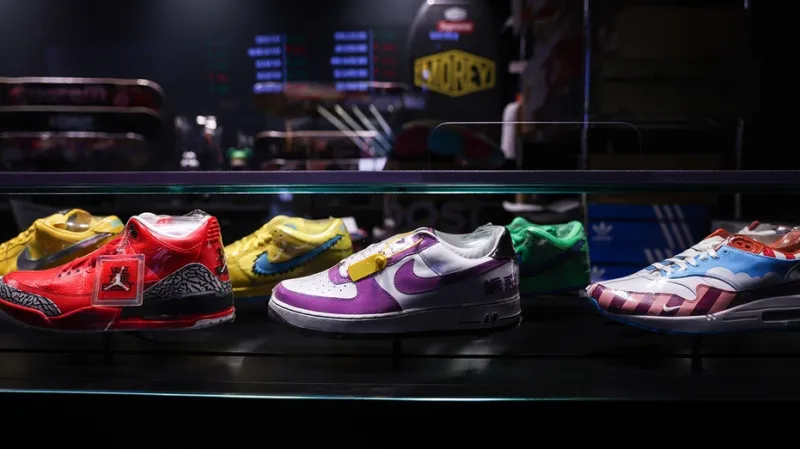
Photo: limited edition collectibles resale market sneakers art toys, via a57.foxnews.com
There's a moment every serious collector knows. You're scrolling through a community Discord at 11 PM, someone drops a link to a limited drop you'd been tracking for weeks, and your heart rate spikes. You grab it. Two months later, that same item is selling on StockX or eBay for three times what you paid. That's not luck. That's niche knowledge working for you.
Welcome to the resale revolution — a corner of the economy that's been quietly humming for decades but has absolutely exploded in the last few years. And while mainstream media tends to focus on sneakerheads and Supreme drops, the real action is happening in far more specialized communities: indie board game Kickstarters, boutique vinyl pressings, small-run enamel pins, and limited-edition art toys from creators most people have never heard of.
The Knowledge Gap Is the Real Currency
Here's the thing that separates a profitable collector from someone who just buys stuff they like: information asymmetry. When you're deeply embedded in a niche community — say, the world of OSR tabletop gaming or Japanese character goods — you know things that general resale platforms don't. You know which creators have cult followings that punch above their follower counts. You know when a small-batch run is genuinely limited versus marketing speak. You know the difference between a piece that will appreciate and one that'll flood the secondary market within six months.
That insider knowledge is legitimately valuable, and increasingly, collectors are treating it like a skill set worth developing.
Take the indie gaming collectibles scene. Publishers like Limited Run Games and Special Reserve Games produce physical editions of digital titles in quantities that sell out fast. A devoted fan who tracks release schedules, understands which titles have long-tail cult appeal, and moves quickly can often resell those items at a meaningful markup — sometimes 50%, sometimes 200% or more, depending on the title.
Similar dynamics play out in sneaker culture, though that market is more saturated and competitive. The smarter move for newer resellers is finding adjacent niches — collaborative drops between small streetwear brands and regional artists, for instance — where competition is lower and community knowledge matters more.
Which Categories Actually Have Legs?
Not every limited-edition category is created equal. Some are driven by genuine scarcity and enduring demand. Others are pure hype bubbles that collapse the moment the trend cycle moves on.
Strong long-term potential:
- Art toys and designer vinyl — Figures from artists like KAWS (yes, mainstream now, but the blueprint holds) or up-and-coming creators with devoted followings tend to appreciate steadily. The key is identifying artists early.
- Indie tabletop and RPG releases — Crowdfunded games with passionate communities often see secondary market premiums, especially for deluxe editions.
- Boutique vinyl pressings — Colored or limited pressings from indie labels, particularly in genres like jazz reissues or experimental music, hold value well among serious collectors.
- Small-run apparel collabs — Not every streetwear drop, but thoughtful collaborations between niche brands and artists with authentic community ties.
Higher risk, hype-driven:
- Most NFT-adjacent physical goods — The market has cooled significantly and many items tied to crypto hype have cratered.
- Mass-market "limited" releases — If Target carries it, it's probably not actually scarce.
- Anything driven purely by social media virality — Trend cycles move fast, and what's hot in March can be worthless by August.
The Ethics Conversation Nobody Wants to Have (But Should)
Let's be honest about the tension here. When resellers buy out a limited drop specifically to flip it, they're pricing genuine fans — people who actually want to own and enjoy the item — out of the market. That's a real harm, and communities feel it.
The sneaker world has wrestled with this for years. Bot-assisted purchasing wiped out human buyers at retail prices, turning releases into a game only the most technically equipped players could win. That experience soured a lot of people on the hobby.
In smaller, more intimate niche communities, the stakes feel even higher. When a beloved indie creator puts out a limited zine or art print, and resellers immediately list it at 5x the price, it can feel like a betrayal of the community that creator built.
The collectors who've found sustainable success in resale tend to operate with a few principles: they don't use bots, they buy quantities that leave room for other fans, and they often reinvest in the community — buying from other small creators, participating in forums, supporting new drops. It's enlightened self-interest as much as ethics; your reputation in a tight-knit niche community is an asset.
Building a Resale Practice That Actually Makes Sense
If you're curious about dipping into resale, a few practical starting points:
Start with what you genuinely love. The communities where you already have deep knowledge are your competitive advantage. Don't try to learn sneakers from scratch if your passion is vintage sci-fi paperbacks or obscure Japanese toy lines.
Track the data. Tools like Price Charting (for games and collectibles), Discogs (for vinyl), and sold listings on eBay are your friends. Understand what items actually sell for, not just what people list them at.
Think in years, not weeks. The collectors who've built real wealth through resale treat it more like investing than day trading. They're patient, selective, and focused on quality over volume.
Community first. The relationships you build in niche spaces are worth more than any single flip. Those connections give you early information, trusted trading partners, and a reputation that opens doors.
The resale revolution is real, and for people with genuine niche expertise, it represents a legitimate way to turn passion into income. Just remember: the goal isn't to extract value from communities. It's to circulate within them — and ideally, add something back.