Sell the Vibe, Keep the Loyalists: How Micro-Aesthetics Became Serious Business
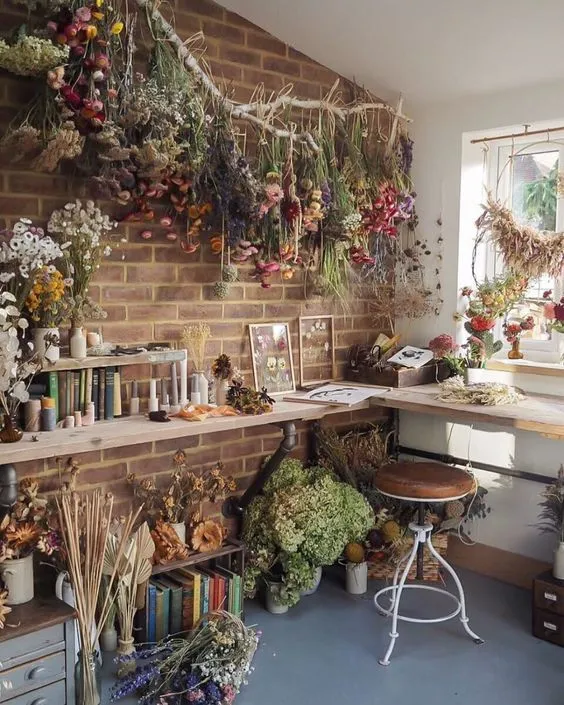
Photo: cottagecore aesthetic flat lay with vintage items candles dried flowers books, via i.pinimg.com
A Mood Board With a Business Model
Not long ago, "aesthetic" was just an Instagram caption word. Something you slapped under a photo of your latte and a stack of dog-eared books. But somewhere between the pandemic years and now, aesthetics stopped being just a vibe and started being a vertical.
The numbers are hard to ignore. Searches for "cottagecore" went from niche Pinterest territory to mainstream cultural shorthand almost overnight. "Dark academia" spawned an entire corner of the retail market — from Oxford-cloth button-downs to leather-bound journals to specific candle scents engineered to smell like "old library." And the brands cashing in aren't always the big players. Increasingly, they're small, community-rooted businesses that understood the assignment before anyone else did.
This is the aesthetic economy. And it's a lot more sophisticated than it looks.
What Makes a Micro-Aesthetic Different From a Trend
Here's the distinction that matters: a trend tells you what's popular. An aesthetic tells you who you are.
When someone identifies as cottagecore, they're not just buying floral print dresses and dried flower arrangements. They're subscribing to a worldview — one that romanticizes slow living, handcraft, and a kind of pre-industrial softness. When someone goes all-in on dark academia, they're not just shopping for tweed and tarot cards. They're constructing an identity around intellectual melancholy, classical beauty, and a very specific kind of literary aspiration.
That identity dimension is what separates micro-aesthetics from regular trend cycles. Trends fade when something newer comes along. Aesthetics stick because they're tied to self-concept — and people don't abandon their self-concept just because the algorithm moved on.
For brands, that's an almost unfair advantage. Your customer doesn't just like your product. They see it as an extension of who they are. Retention, word-of-mouth, and repeat purchasing all go up dramatically when that's the case.
The Brands That Got It First
Some of the most interesting case studies in the aesthetic economy aren't household names — and that's kind of the point.
Take the surge of small-batch candle companies that built entire brand identities around specific aesthetic niches. Brands like Frostbeard Studio (which makes literary-themed candles with scents named after fictional places) found their audience not through mass advertising but through deep community alignment. Their customers aren't buying candles. They're buying a sensory extension of a world they already love. The product is almost secondary to the feeling.
Or look at what happened in the stationery space. The "study aesthetic" — a subset of dark academia that centers around beautiful notebooks, vintage-style pens, and color-coded study systems — built an entire economy on YouTube and TikTok. Brands like Papier and smaller Etsy-based shops rode that wave by understanding that their customers weren't just organizing their homework. They were performing a version of themselves.
Even in the fashion space, aesthetic-first brands are outpacing category-first ones. Brands that anchor their identity in a specific visual world — rather than just a product type — tend to build communities that market themselves. The customer becomes an ambassador because wearing or displaying the product is part of how they express their identity.
Weirdcore and the Frontier Aesthetics
If cottagecore and dark academia represent the more established end of the micro-aesthetic spectrum, movements like weirdcore, traumacore, and goblincore represent the frontier — and they're worth watching closely.
Weirdcore, which combines deliberately lo-fi, unsettling imagery with themes of nostalgia and unreality, has already begun generating product ecosystems. Art prints, enamel pins, clothing with deliberately glitchy or surreal graphics — all of it is finding buyers in communities that feel alienated by more polished mainstream aesthetics. The appeal is partly the weirdness itself, and partly the sense of belonging to something that mainstream culture hasn't colonized yet.
Goblincore — which centers on a love of mushrooms, moss, shiny objects, and general forest-creature energy — has spawned everything from hand-thrown pottery to foraged herb subscription boxes to jewelry made from actual found objects. It's an aesthetic built on anti-glamour, and it's selling extremely well to people who are tired of aspirational perfection.
What these frontier aesthetics share is a sense of exclusivity without gatekeeping — they're niche enough to feel special, but welcoming enough to grow. That's a hard balance to strike, and the brands that get it right tend to grow organically in ways that paid advertising can't replicate.
The Authenticity Trap (And How Smart Brands Avoid It)
Here's the danger zone: when a micro-aesthetic gets too big, the brands that built their identity around it face a genuine crisis. Mainstream adoption can feel like dilution to the core community — and if the core community leaves, the brand loses the very thing that made it compelling in the first place.
The brands navigating this best are the ones that stay in conversation with their communities rather than just broadcasting at them. They evolve alongside the aesthetic rather than trying to freeze it in place. They acknowledge the tension between growth and authenticity instead of pretending it doesn't exist.
For collectors and lifestyle shoppers in these spaces, that authenticity radar is finely tuned. They can tell when a brand genuinely lives in the aesthetic versus when it's just using the vocabulary for marketing purposes. The difference usually shows up in the details — the materials chosen, the way products are described, who the brand chooses to collaborate with.
Why This Matters for the Niche Economy
At NicheHaven, this is exactly the kind of ecosystem we exist to celebrate and support. The aesthetic economy is proof that the most passionate, specific communities — the ones mainstream retail has always overlooked — are actually the ones creating the most durable brand value.
You don't need to appeal to everyone. You need to deeply appeal to someone. Build a world around a shared sensibility, stock it with products that feel true to that world, and treat your community like collaborators rather than consumers. That's not just good aesthetics. That's good business.