Gone But Not Forgotten: What Really Kills a Cult Product — and How True Fans Keep It Alive
There's a particular kind of grief that hits when you go to reorder something you love — a small-batch hot sauce, a handmade leather wallet, a weirdly perfect notebook — and the product page just says discontinued. No explanation. No farewell post. Just gone.
If you've ever experienced that sinking feeling, you're not alone. The lifecycle of a niche product is genuinely brutal, and the fans who attach themselves to these obscure gems often end up holding the bag when the lights go out. But here's the thing: those same devoted communities are increasingly refusing to let their favorites fade quietly into the void.
So Why Do Cult Products Die Anyway?
It's rarely one thing. The death of a beloved niche item is usually a slow accumulation of pressures that the brand — often a one- or two-person operation — just can't absorb.
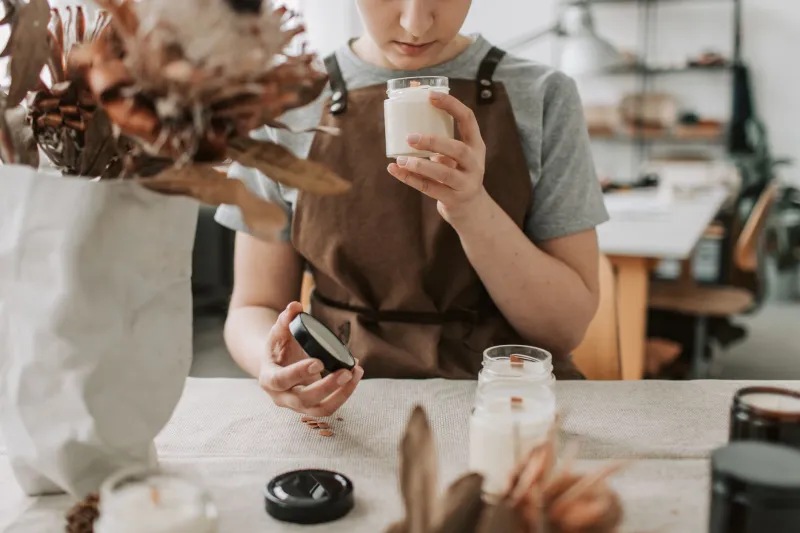
Supply chain issues are a big one. A small candle company sourcing a specific fragrance oil from a single overseas supplier is one shipping disruption away from a formula change or a shutdown. When that ingredient disappears or triples in cost, there's no procurement department to solve the problem. There's just the founder, staring at a spreadsheet at midnight, doing math that doesn't work.
Then there's the distribution trap. Some niche brands get picked up by a regional retailer or specialty chain and scale just enough to strain their operations — without ever scaling enough to become sustainable. They're stuck in an expensive middle ground: too big to operate as a passion project, too small to compete with mainstream brands fighting for the same shelf space.
And sometimes? The founder just burns out. Running a niche brand is an identity as much as it is a business, and that identity can become suffocating. When the person who is the brand steps away, there often isn't anyone waiting in the wings to carry it forward.
The Emotional Math of Losing Something Niche
What makes a discontinued niche product sting more than, say, a discontinued mainstream item is the specificity of the attachment. When a big-box store stops carrying a generic product, you shrug and grab the next one. When your favorite small-batch pickle company folds, you're not just losing a condiment — you're losing a whole story.
Niche products carry meaning. They signal something about who you are, what you value, and what communities you belong to. That $22 artisan hot sauce wasn't just heat — it was a conversation starter, a gift you gave people you wanted to impress, a small ritual in your weekly cooking routine. Losing it feels disproportionately personal because the attachment was personal.
This is why forums, subreddits, and Discord servers dedicated to discontinued products exist and actively thrive. Head over to any niche collecting community — vintage stationery, indie skincare, small-press board games — and you'll find pinned threads with titles like "RIP [Brand Name] — Share Your Last Bottles Here." These aren't just nostalgia posts. They're active preservation efforts.
The Inventory Hunt: Last Bottles, Dead Stock, and the Art of the Stockpile
When word gets out that something is being discontinued, a specific type of collector springs into action: the stockpiler. These are people who will systematically clear out remaining inventory from every online retailer, specialty shop, and warehouse sale they can find.
It sounds extreme until you've done it. If you've been using the same moisturizer for seven years and the brand announces they're shutting down, buying twelve backup units isn't hoarding — it's rational grief management.
Platforms like eBay and Mercari have become de facto archives for discontinued niche goods. A quick search for a defunct indie brand will often surface listings from stockpilers who bought extras specifically to resell later. Prices can get wild — a $15 item at retail might fetch $60 or $80 years after discontinuation — but for true devotees, the math still works.
Beyond resale platforms, there are dedicated Facebook groups and niche forums where fans trade, sell, and share leads on remaining inventory. These communities function like informal stock exchanges, with members posting alerts when they spot old stock at a liquidation retailer or a forgotten Etsy shop that hasn't updated its listings in two years.
Spiritual Successors: How Fans Build What Brands Won't
Here's where it gets genuinely interesting. When a beloved niche product disappears, the most resourceful fans don't just mourn — they reverse-engineer.
The indie beauty community has turned this into an art form. When a cult-favorite indie lip product gets discontinued, someone in the community will post a breakdown of its likely formula, and within months, a small-batch maker will release something deliberately designed to scratch that same itch. They don't call it a dupe — they call it a "spiritual successor," which is a much more honest framing.
The same dynamic plays out in hot sauce culture, specialty coffee, artisan stationery, and niche board games. Devoted fans become amateur historians of what made the original special, and that institutional knowledge becomes the blueprint for whatever comes next.
Some of these successors even get explicit blessing from original founders. There are several well-documented cases in the indie perfume world where a retiring creator has essentially handed off their formula notes — or at least their approach — to a trusted community member who wanted to keep the spirit alive. That's not corporate acquisition; that's craft passing through hands.
Where to Actually Look
If you're hunting for a discontinued favorite or trying to find its closest living relative, here's where to start:
- Reddit communities dedicated to the specific niche (r/IndieBeauty, r/HotSauce, r/boardgames, etc.) almost always have threads about discontinued products and recommended alternatives.
- Etsy remains underrated as a source for small-batch makers who consciously position themselves as alternatives to discontinued mainstream-adjacent products.
- Facebook Groups for niche collectors skew older but often have the deepest institutional memory — someone in a vintage stationery group has probably been tracking your discontinued pen brand for fifteen years.
- Mercari and eBay for actual remaining inventory, though price accordingly.
- Brand newsletters and Instagram archives — sometimes a founder who shut down a product line will quietly resurface years later with something new, and their old audience is the first to know.
The Bigger Picture
The niche product graveyard is real, and it's growing. But so is the community infrastructure built around keeping those memories — and those products — alive. Fans who care deeply enough to stockpile, reverse-engineer, and build successor brands are doing something genuinely meaningful: they're proving that the value of a niche product was never really about the product alone.
It was always about the people who loved it enough to refuse to let it go quietly.
And honestly? That's the most NicheHaven thing we can imagine.