Dead Subcultures Don't Stay Dead: How Gen Z Is Remixing Forgotten Aesthetics Into Something New
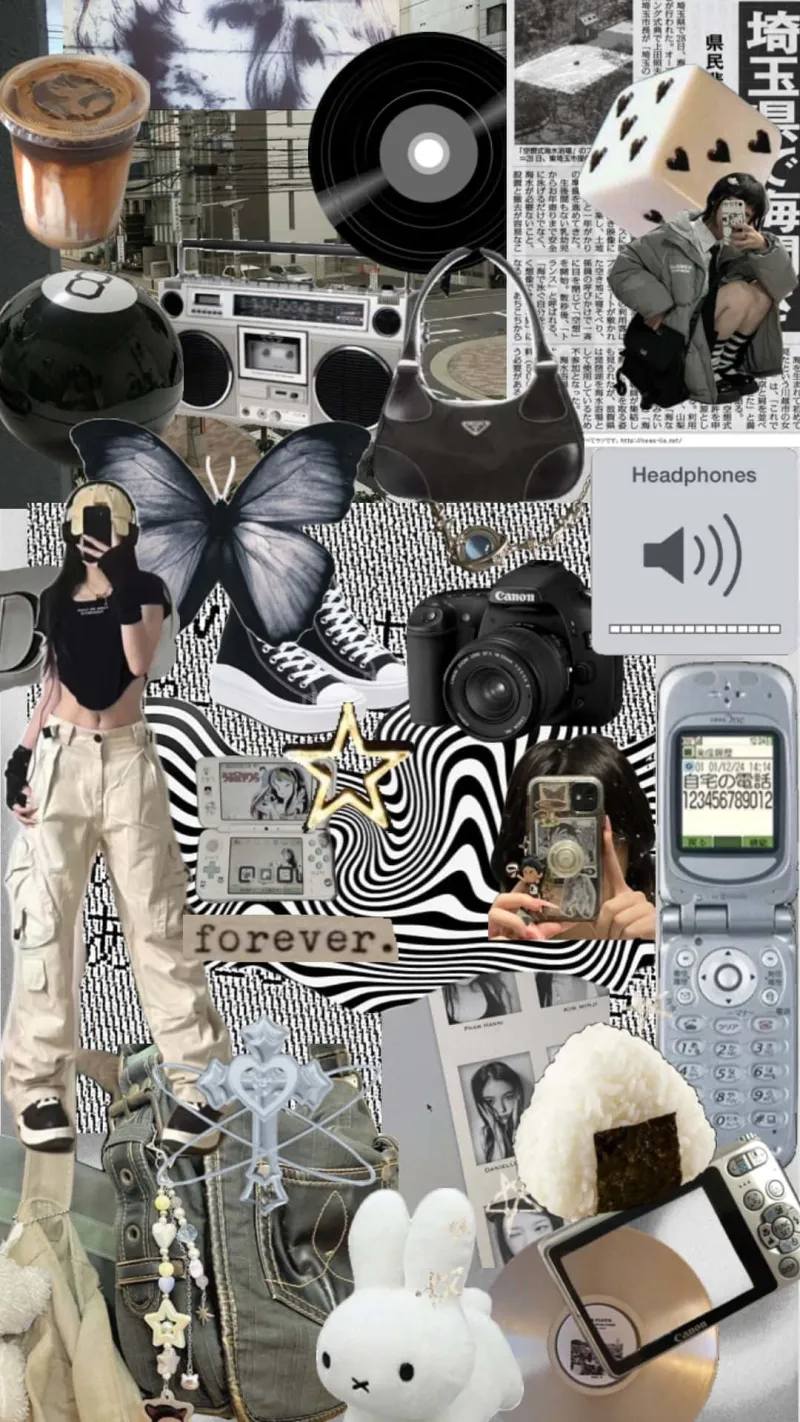
Photo: Gen Z aesthetic fashion mood board vintage y2k emo style collage, via wallpapers.com
Somewhere between a TikTok sound and a Discord rabbit hole, a subculture that peaked in 2003 is having the best year of its life. The kids doing the reviving weren't alive when it was originally cool. And they absolutely do not care.
Gen Z's relationship with dead or dormant aesthetics is one of the more genuinely interesting cultural phenomena happening right now — and it's driving real economic activity in niche markets across the US. Indie creators, small-batch manufacturers, and specialty retailers are all cashing in on the appetite for hyperspecific aesthetic revival. Understanding why it's happening, and how, is worth your time.
The Algorithm as Archaeologist
Let's start with the mechanics. TikTok's recommendation engine doesn't care about chronology. It surfaces content based on engagement signals, which means a video about Y2K butterfly clips can sit next to a tutorial on cottagecore pressed flowers, which leads algorithmically to a deep dive on scene kid makeup from 2007. The platform creates unexpected adjacencies, and those adjacencies spark curiosity.
For a generation that grew up with infinite content access, the internet's past isn't history — it's just another content category. YouTube rabbit holes, Tumblr archives, and even Pinterest boards full of early-2000s aesthetics function as a kind of cultural library that Gen Z browses with the same casual curiosity their parents applied to flipping through magazine back issues.
The result is a generation that knows the visual grammar of subcultures they never lived through. They understand the references without carrying the baggage. And that distance — that lack of personal stakes in the original movement — is actually a creative advantage.
Why Authenticity to the Original Doesn't Really Matter
Here's something that frustrates purists but is probably worth accepting: Gen Z's revivals are almost never faithful reconstructions. They're remixes.
Take vaporwave. The original aesthetic — pastel gradients, Greek statues, Windows 95 interfaces, elevator music chopped and distorted — emerged from a specific early-2010s internet moment with a particular set of political and cultural undertones. The Gen Z version of vaporwave strips out most of that context and keeps the visuals. It becomes a mood board rather than a manifesto.
Is that a betrayal of the original? Depends who you ask. Original scene participants often find it shallow. But the remixed version reaches audiences the original never could, spawns entirely new creative work, and generates economic activity — merch, music, digital art, physical goods — that keeps the aesthetic alive in a form that can actually grow.
The same pattern plays out with emo revival. The music coming out of the emo-adjacent corners of TikTok and Spotify sounds like 2005 in some ways and nothing like it in others. The fashion references are there — the chunky belts, the band tees, the deliberately mismatched layers — but filtered through current silhouettes and contemporary production values. It's a conversation with the past, not a reenactment.
Discord as the Real Engine
While TikTok gets most of the credit for aesthetic revivals, Discord is where the actual depth lives. Servers dedicated to specific aesthetics — not just broad categories like "cottagecore" but hyperspecific sub-aesthetics like "dark academia with a Pacific Northwest twist" or "Y2K mall fashion but make it sustainable" — function as collaborative creative laboratories.
In these spaces, members share reference images, debate the boundaries of what counts as authentic to the aesthetic, build out mood boards, and recommend products, creators, and resources. The conversation is ongoing and iterative. The aesthetic evolves in real time, shaped by the collective taste of people who are genuinely invested in it.
This is where niche markets get born. A Discord server for a specific aesthetic creates demand for specific products. Members start asking where to find X or Y. Indie creators in the server notice the gap and start making things. The market grows organically from the community rather than being manufactured and pushed down to consumers.
For small brands and independent makers, this dynamic is an enormous opportunity. Getting embedded in the right Discord community — not as an advertiser, but as a genuine participant — can be more valuable than any paid marketing campaign.
The Profitable Side of the Revival
Let's talk numbers, or at least the shape of them. Aesthetic revivals create demand across multiple product categories simultaneously. A cottagecore revival isn't just about floral dresses — it's candles, ceramics, pressed flower kits, specific book aesthetics, herbal tea blends, journaling supplies, and a particular kind of folk-adjacent music. Every revival is actually a lifestyle cluster, and lifestyle clusters are extraordinarily good for niche retail.
Etsy sellers who positioned themselves in cottagecore early saw dramatic sales increases. Small clothing brands that understood Y2K before it hit mainstream retail were able to capture significant market share before fast fashion caught up. Vaporwave-adjacent music and visual art found paying audiences on Bandcamp and through independent print-on-demand platforms.
The window is always shorter than it looks, but the brands that move fast and stay authentic to the aesthetic — even their remixed version of it — consistently outperform those that chase the trend cynically.
The Subcultures Currently Getting the Treatment
If you're paying attention to where the next wave is building, a few aesthetics are in early-stage revival right now. Indie sleaze — the greasy, flash-photography, American Apparel-and-dive-bar aesthetic of the late 2000s and early 2010s — is gaining traction in certain corners of TikTok. Midwest emo, the twinkly, confessional guitar music that never quite crossed over to mainstream, is finding a new audience that's approaching it with genuine reverence.
There's also real momentum around early-internet aesthetics more broadly — GeoCities-era web design, old-school AIM away message culture, the visual language of early Flash games. These reference points are showing up in graphic design, fashion, and digital art in ways that feel fresh rather than ironic.
For anyone building in niche entertainment or lifestyle markets, these emerging pockets are worth watching closely. The communities are small now. They won't stay that way.
What This Means for Anyone Building in Niche Spaces
The aesthetic revival phenomenon tells us something important about how culture moves right now. It's not linear. It doesn't flow from mainstream to niche in a tidy progression. It erupts unpredictably from community spaces, gets amplified by algorithms, and creates demand that mainstream retail is almost always too slow to meet.
That gap — between when an aesthetic starts gaining community momentum and when big retail catches up — is where niche creators and small brands live. It's a real competitive advantage, but only if you're paying attention to the right spaces.
The subcultures Gen Z is digging up aren't really about the past. They're raw material for something new. And the people who understand that distinction — who can move between reverence and reinvention with confidence — are the ones building the next generation of genuinely interesting niche markets.